Let’s Start Work
Together
Please feel free to contact us. We will get back to you with 1-2 business days. Or just call us now.
How can we help?
An Explosion Proof (Ex) Survey is a critical assessment aimed at mitigating risks associated with explosive atmospheres, particularly in environments such as drilling rigs. These surveys ensure that electrical equipment and installations comply with safety standards to prevent ignition sources in hazardous areas.
Inspection plays a major part in ensuring the on-going safety of personnel, equipment and the environment. Movable electrical equipment (handheld, portable and transportable) is particularly prone to damage or misuse and therefore the interval between periodic inspections may need to be reduced (generally as IEC 60079-17 the intervals between periodic inspections shall not exceed three years).
Purpose Of Ex Survey
Risk Mitigation
To reduce the likelihood of explosions and accidents in environments with flammable gases or dust.
Compliance Verification
To ensure all equipment meets international standards such as IECEx and ATEX, which govern safety in explosive environments.
Equipment Inspection
To conduct thorough inspections of electrical apparatus to confirm their integrity and functionality under hazardous conditions.
Types of Ex Surveys
Ex surveys can be categorized into several types based on the level of detail:
Initial Inspection
Conducted before energizing new equipment to ensure safety.
Periodic Inspections
Regular checks to assess ongoing compliance and detect any damage or degradation over time.
Visual Inspection
This grade of inspection is usually carried out on a regular (periodic) basis, to confirm equipment has not been damaged or tampered with, and / or as part of an overall assessment of the equipment and systems at a facility.
Close inspection
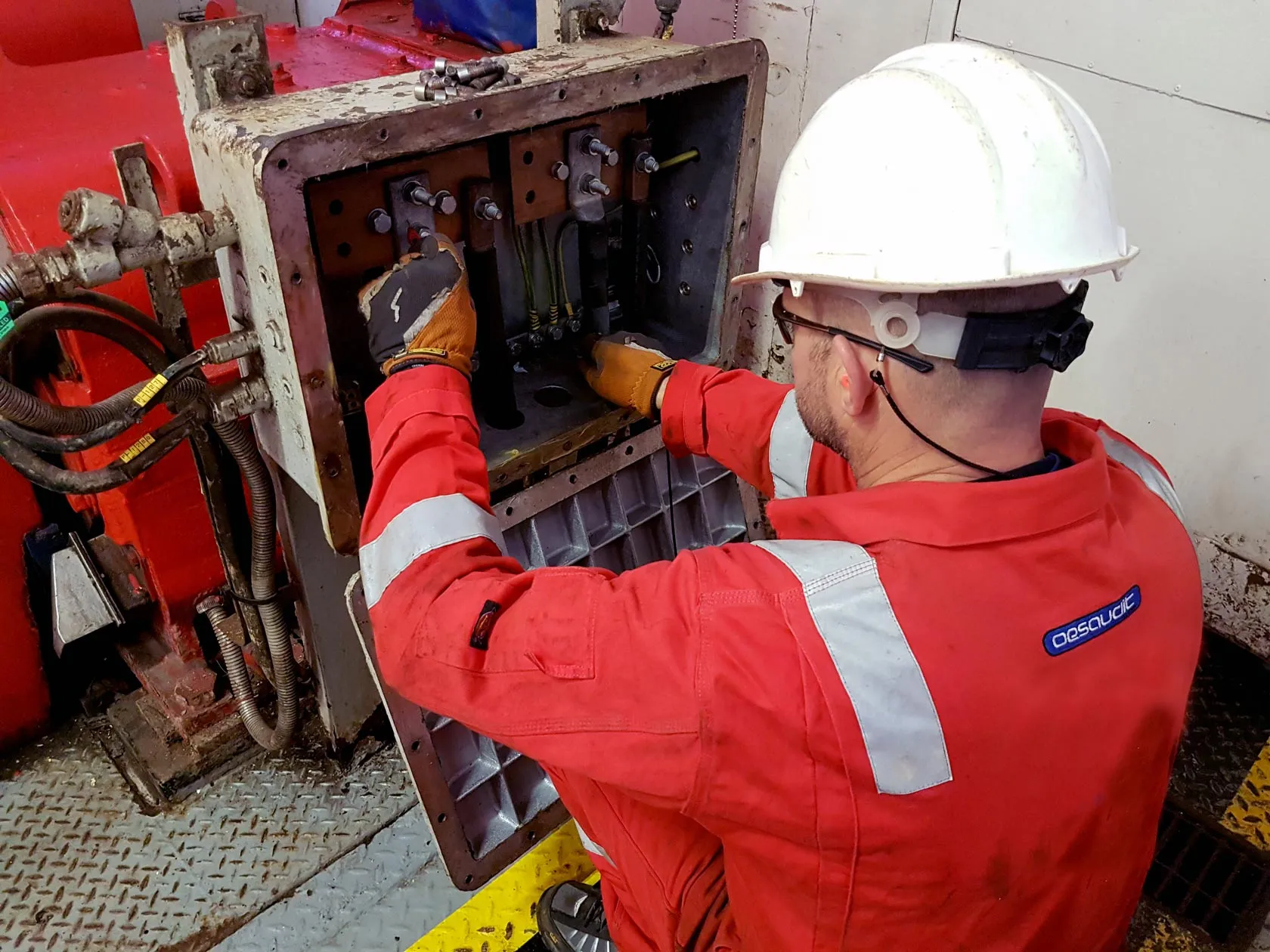
Covers all the aspects covered by a visual inspection, and in addition, identifies those defects that are only apparent when the equipment can be accessed (e.g. loose bolts or glands, IP washers not fitted, etc.) In addition, certification plate details, including checks for conditions of use, can be actioned during a close inspection.
Ex equipment should be installed where it is accessible for maintenance and inspection, therefore, most of the Ex-equipment can easily be inspected at a close category.
